
Understanding the basics of LASIK eye surgery
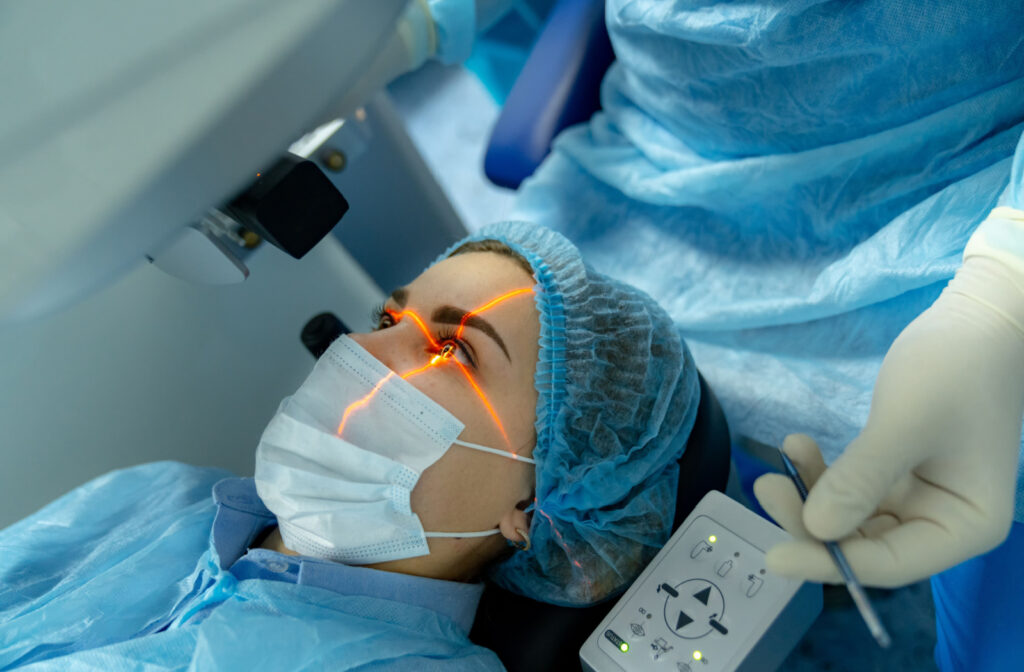
LASIK eye surgery is a transformative medical procedure that has gained considerable popularity in recent years. It involves reshaping the cornea, the clear front part of the eye, to correct refractive errors, such as myopia (nearsightedness), hyperopia (farsightedness), and astigmatism. This innovative technique can significantly enhance one’s quality of life by restoring clear vision without the need for glasses or contact lenses.
The science behind LASIK
At the core of LASIK lies a combination of advanced technology and carefully applied medical science. The procedure typically uses a femtosecond laser to create a thin flap in the cornea. Once the flap is created, another laser reshapes the underlying corneal tissue with precision. This reshaping process alters how light enters the eye, allowing for improved focus on the retina.
In conclusion, LASIK eye surgery offers an incredible opportunity for individuals seeking improved vision and enhanced quality of life. With a commitment to understanding the procedure and proper care, patients often find themselves on a path to clearer sight and greater independence.
Researchers continue to advance this technology, making procedures safer, faster, and more effective. With a high success rate, LASIK has become a trusted option for many seeking freedom from visual aids. The precision of modern lasers, often measured in microns, allows for a tailored approach to each individual’s unique eye structure, ensuring optimal results. Furthermore, the recovery time is remarkably quick, with many patients experiencing improved vision within just a few hours after the surgery.
Who is a suitable candidate for LASIK?
Not everyone is immediately suitable for LASIK eye surgery. Ideal candidates are typically over the age of 18 and have stable vision for at least a year. It’s also crucial for candidates to have healthy corneas, as specific eye conditions can lead to complications.
Moreover, individuals with certain health issues, such as autoimmune diseases or cataracts, may need to consider alternative treatment options. A comprehensive pre-operative assessment with an experienced eye surgeon is essential in determining whether LASIK is the right choice for you. During this assessment, various tests are conducted to evaluate the thickness of the cornea, the shape of the eye, and overall eye health. These evaluations help ensure that the surgery is performed on the most suitable candidates, thereby maximising the chances of a successful outcome. Additionally, discussing expectations and potential risks with the surgeon can provide valuable insights into the procedure, helping patients make informed decisions about their vision correction journey.
The process of LASIK surgery
Understanding the steps involved in LASIK surgery can reduce anxiety and improve anticipation for the procedure. From initial consultations to post-operative care, each stage plays a critical role in achieving favourable outcomes.
Pre-surgery preparations
Before the surgery takes place, you will undergo detailed eye examinations to evaluate your vision and overall eye health. During these assessments, your eye doctor will discuss your medical history and the potential risks and benefits of the procedure.
In the days leading up to the surgery, patients are usually advised to avoid wearing contact lenses. This is important as it allows the cornea to return to its natural shape, ensuring a more accurate surgical outcome.
What happens during the surgery?
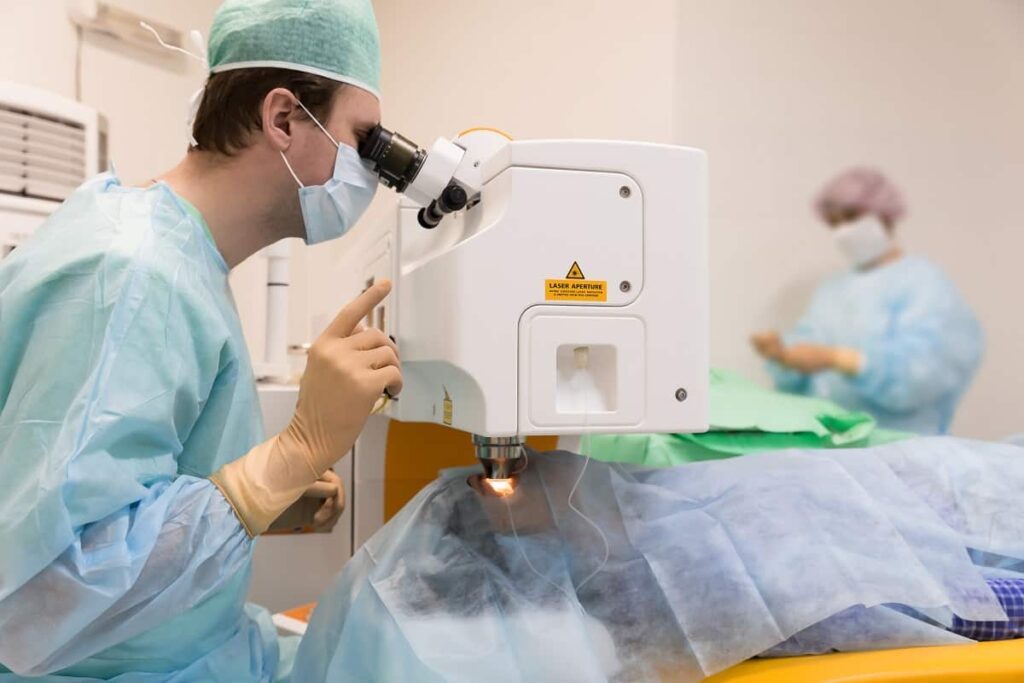
On the day of the procedure, you will arrive at the surgical centre and be given specific instructions to prepare. The surgery itself is typically quick, lasting about 15 minutes for both eyes. An anaesthetic eye drop is administered to ensure comfort throughout the procedure. Find more about anaesthetic on https://www.anzca.edu.au/patient-information/anaesthesia-information-for-patients-and-carers/what-is-anaesthesia
After the procedure, you will be monitored briefly before being discharged. Most patients report feeling pressure during the surgery, but any discomfort usually subsides quickly, leaving them with excitement about the outcome.
Post-surgery care and recovery
Recovery from LASIK is relatively swift. Most individuals can return to their normal activities within a day or two, though some may experience slight blurred vision or sensitivity to light during this time. It’s crucial to follow the eye surgeon’s post-operative care instructions meticulously.
Using prescribed eye drops, avoiding swimming or hot tubs, and wearing sunglasses outdoors are essential steps to ensure proper healing. Regular follow-up appointments allow the surgeon to monitor recovery and address any issues that may arise.
The potential risks and complications of LASIK
Like any surgical procedure, LASIK does come with some risks and potential complications. Responsible candidates should be aware of these before moving forward with the surgery.
Short-term side effects
Some short-term side effects may include dry eyes, glare, halos, and difficulty with nighttime vision. Most of these effects are temporary, and patients usually report a significant improvement in their condition within several weeks post-surgery.
If symptoms persist, discussing them with your ophthalmologist is vital for exploring solutions to ensure the best possible recovery.
Long-term risks
While long-term risks are rare, some individuals may experience vision changes years after the initial procedure. Factors such as age and underlying health conditions can contribute to these changes. Regular eye exams after surgery are important for monitoring vision health over time.
The benefits of LASIK eye surgery
The potential advantages of LASIK eye surgery extend beyond merely improving vision; they can reshape an individual’s lifestyle in numerous positive ways.
Improved vision and independence
One of the most immediate benefits of LASIK is the restored clarity of vision. Many patients celebrate the newfound freedom from glasses and contact lenses, allowing them to enjoy daily activities without the hassle of corrective eyewear.
For athletes or active individuals, this newfound independence can lead to enhanced performance and confidence, further improving their overall quality of life.
Lifestyle changes after LASIK
Beyond just improved sight, LASIK can lead to significant lifestyle changes. Patients often report an increase in self-confidence and satisfaction with their appearance, as they are no longer reliant on glasses. Simple tasks like swimming, travelling, or even waking up in the morning become more manageable and enjoyable.
With improved vision, the opportunity to engage in new activities or hobbies increases significantly, enhancing overall life satisfaction. To learn more about hobbies click here.
Frequently asked questions about LASIK
It’s natural to have questions when considering LASIK eye surgery. Here are some of the most frequently asked questions that may help clarify any uncertainties.
How long does the surgery take?
The actual LASIK procedure is quite fast, typically taking around 15 to 30 minutes for both eyes. However, the entire visit may take longer when you include pre-operative assessments and post-operative monitoring.
Is the procedure painful?
Most patients report minimal discomfort during the LASIK procedure, thanks primarily to anaesthetic eye drops. After the surgery, there may be some temporary dryness or irritation, but this generally resolves within a few days.
How soon will I see results?
Many individuals notice significant improvements in their vision almost immediately after the procedure. However, full visual recovery can take a few days to weeks as the eyes continue to heal.
Other resources: LASIK Eye Surgery The Ultimate Solution for Vision Correction