
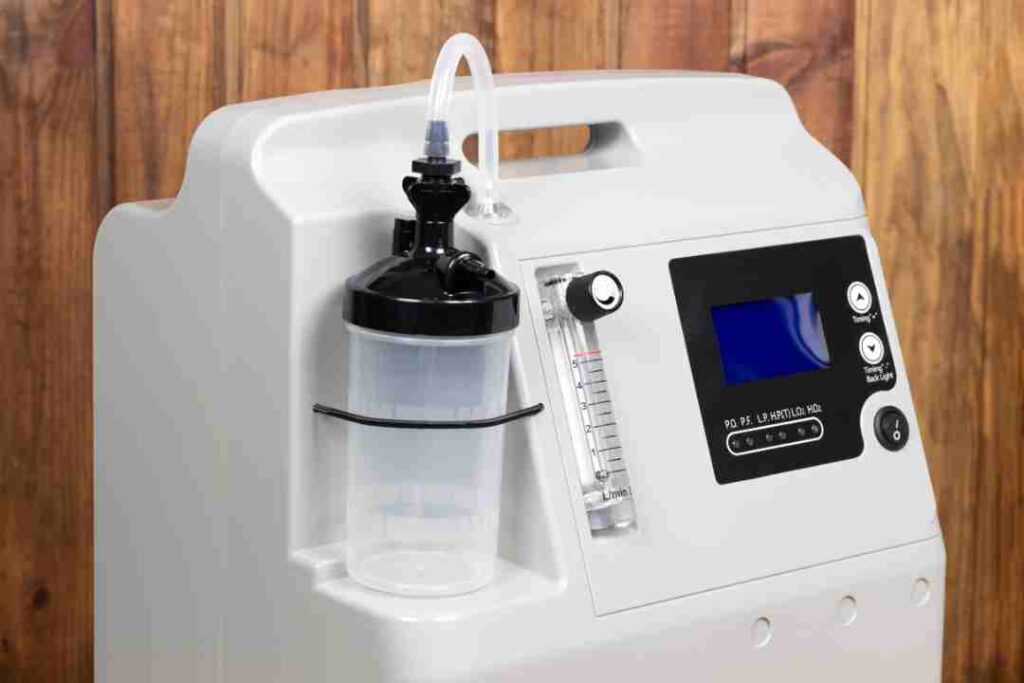
How to Clean Your Oxygen Concentrator: A Step-by-Step Maintenance Checklist
Maintaining your medical equipment is not just about hygiene; it is a critical factor in ensuring your respiratory health and the longevity of your device. If you are using oxygen therapy in Australia, knowing how to clean your oxygen concentrator properly can prevent bacterial growth and ensure the air you breathe is pure.
Oxygen concentrators are sophisticated medical devices that pull in ambient air, compress it, and deliver purified oxygen. However, without regular intervention, dust, allergens, and humidity can compromise the system. This comprehensive guide provides a professional maintenance checklist designed to help you navigate daily, weekly, and monthly cleaning tasks with ease.
See more: The Ultimate Guide to Choosing an Oxygen Concentrator in Australia
What is Oxygen Concentrator Maintenance?
Oxygen concentrator maintenance is the systematic process of cleaning and replacing the external and internal components of an oxygen delivery system. For Australian patients—especially those in dusty or humid climates—maintenance ensures the molecular sieve beds inside the unit remain functional.
Unlike oxygen tanks, which are replaced when empty, concentrators are “perpetual” machines. Their efficiency depends entirely on the flow of air. If a filter is clogged, the motor works harder, the internal temperature rises, and the purity of the oxygen output drops.
Why Routine Cleaning is Non-Negotiable
- Infection Control: Biofilm and bacteria can accumulate in the nasal cannula and humidifier bottle.
- Device Longevity: Prevents the compressor from overheating.
- Oxygen Purity: Ensures the device consistently delivers the prescribed $O_2$ percentage.
- Fire Safety: Removing dust buildup reduces the risk of electrical malfunctions.
Core Components: What Needs Your Attention?
To master oxygen concentrator maintenance, you must first identify the three primary areas that require regular sanitation:
- The Cabinet (Exterior): The hard plastic shell of the machine.
- The Filters: Both gross particle filters (inlet) and HEPA filters (internal).
- The Patient Interface: This includes the nasal cannula, oxygen tubing, and the humidifier bottle.
How to Clean Your Oxygen Concentrator Filter
The filter is the lungs of your machine. A dirty filter forces the concentrator to consume more electricity and can eventually trigger a “Low Oxygen” alarm.
Step 1: Locating and Removing the Filter
Most modern portable and stationary units (like those from Inogen, Philips, or AirSep) have a “Gross Particle Filter” located on the side or back. Switch off the power and unplug the unit before removal.
Step 2: The Washing Process
Wondering how to clean oxygen concentrator filter components safely?
- Submerge the mesh filter in a basin of warm water mixed with mild dish soap.
- Gently rub the mesh to remove lint and dust.
- Rinse thoroughly under running water.
Step 3: Drying (The Golden Rule)
Never reinsert a damp filter. Moisture can be sucked into the internal motor, causing catastrophic failure. Air-dry the filter completely on a clean towel before reattaching.
Expert Tip: Keep a spare filter on hand. This allows you to rotate a dry one in immediately while the washed filter dries.
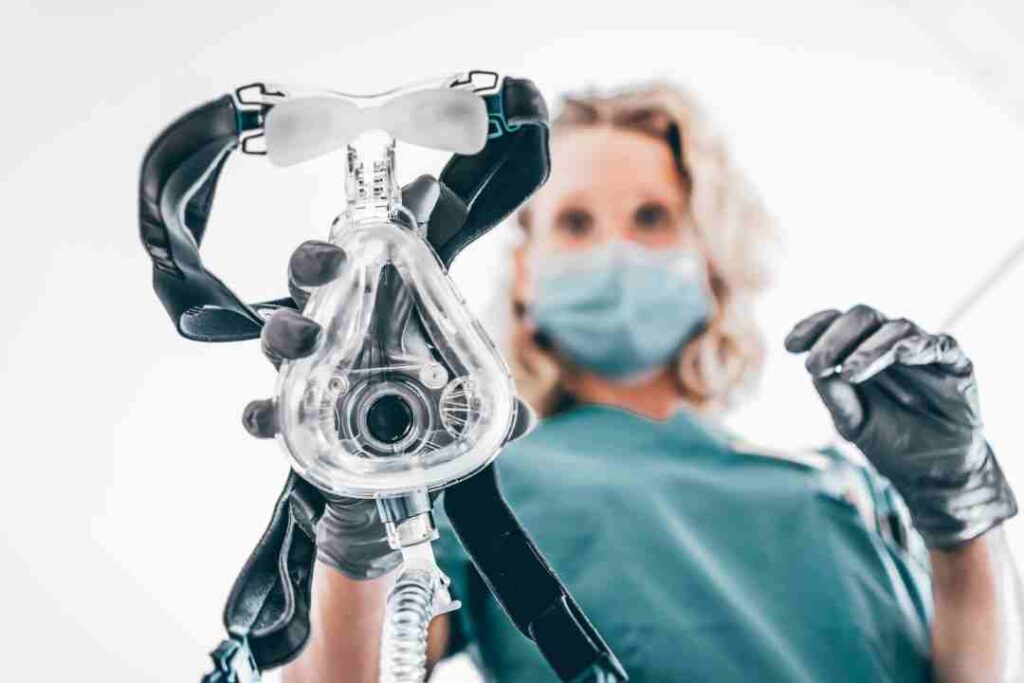
How to Wash Nasal Cannula and Tubing
The nasal cannula is in direct contact with your skin and mucosal membranes. Over time, it can stiffen or become a breeding ground for pathogens.
Daily Sanitation
Wipe the prongs of the cannula with an alcohol-free disinfectant wipe or a damp cloth after every use. This prevents oils and mucus from hardening.
Weekly Deep Clean
If you are wondering how to wash nasal cannula sets for extended use:
- Soak the cannula in a solution of one part white vinegar to ten parts water.
- Rinse with distilled or filtered water.
- Hang the tubing over a shower rod to drip dry.
Note: Most clinicians in Australia recommend replacing the nasal cannula every 2–4 weeks, or immediately after recovering from a cold or flu.
Step-by-Step Oxygen Concentrator Maintenance Checklist
Follow this schedule to ensure your device meets Australian health and safety standards.
| Component | Frequency | Action |
| Exterior Cabinet | Weekly | Wipe with a damp cloth and mild detergent. |
| Gross Particle Filter | Weekly | Wash with warm soapy water; air dry. |
| Humidifier Bottle | Daily | Empty, wash with soap, and refill with distilled water. |
| Nasal Cannula | Daily/Weekly | Wipe daily; deep clean or replace weekly. |
| Oxygen Tubing | Monthly | Check for kinks or cracks; replace if stiff. |
| Internal HEPA Filter | Yearly | Must be serviced by a professional technician. |
Best Practices for Australian Environments
Australia’s climate presents unique challenges for oxygen users.
- Dust Management: If you live in rural or outback areas, your filters will clog faster. Check them every 3 days rather than weekly.
- Humidity Issues: In Queensland or the Northern Territory, mold can grow quickly in humidifier bottles. Use only distilled water to prevent mineral buildup and bacterial blooms.
- Heat Safety: Never store your concentrator in a hot car or direct sunlight, as this degrades the plastic tubing and stresses the internal battery.
Common Mistakes to Avoid
- Using Tap Water: Mineral deposits (calcium/magnesium) from Australian tap water can clog the humidifier and the internal sensors of the machine.
- Using Oil-Based Products: Never use petroleum jelly (Vicks, etc.) on your nose while using oxygen. Oil and high-pressure oxygen are a fire hazard. Use water-based lubricants only.
- Submerging the Machine: Only the removable parts should touch water. Never spray cleaning agents directly onto the machine’s vents.
Internal Linking & Authority References
Internal Linking Suggestions:
- Choosing the right portable oxygen concentrator for travel.
- Understanding oxygen flow rates and prescriptions.
- Signs your oxygen concentrator needs a professional service.
External Authority References:
- Refer to the Lung Foundation Australia for official respiratory patient guidelines.
- Consult the Therapeutic Goods Administration (TGA) for medical device safety alerts in Australia.
Frequently Asked Questions (FAQ)
1. How often should I clean my oxygen concentrator?
The exterior and intake filters should be cleaned once a week. However, the humidifier bottle and nasal prongs require daily attention to prevent infection.
2. Can I use bleach to clean my oxygen tubing?
No. Bleach is too harsh and can degrade the medical-grade plastic, potentially releasing harmful fumes. Use a mild vinegar-and-water solution or specialized medical equipment wipes.
3. Why is my oxygen concentrator beeping after I cleaned the filter?
This usually happens if the filter was reinserted while still damp or if it wasn’t seated correctly. Ensure the filter is bone-dry and firmly clicked into place.
4. Do I really need to use distilled water in the humidifier?
Yes. Distilled water prevents “scaling” or mineral buildup. If you use tap water, the minerals will eventually clog the oxygen outlet, reducing the flow.
5. How long does a nasal cannula last?
For optimal hygiene, replace your cannula every 14 to 30 days. If the plastic becomes hard or brittle, replace it immediately to avoid skin irritation.
6. Can I wash the internal HEPA filter myself?
No. Internal filters are usually not user-serviceable. Opening the cabinet can void your warranty. These should be replaced by an authorized service center every 12 months.
Conclusion: Staying Proactive with Your Health
Mastering how to clean your oxygen concentrator is the best way to protect your investment and your lungs. By following a consistent oxygen concentrator maintenance routine, you ensure that every breath you take is clean, filtered, and delivered at the correct purity level.
Clean filters mean a quieter machine, lower power bills, and, most importantly, peace of mind. Check your filters today—if they look grey or dusty, it’s time for a wash.