
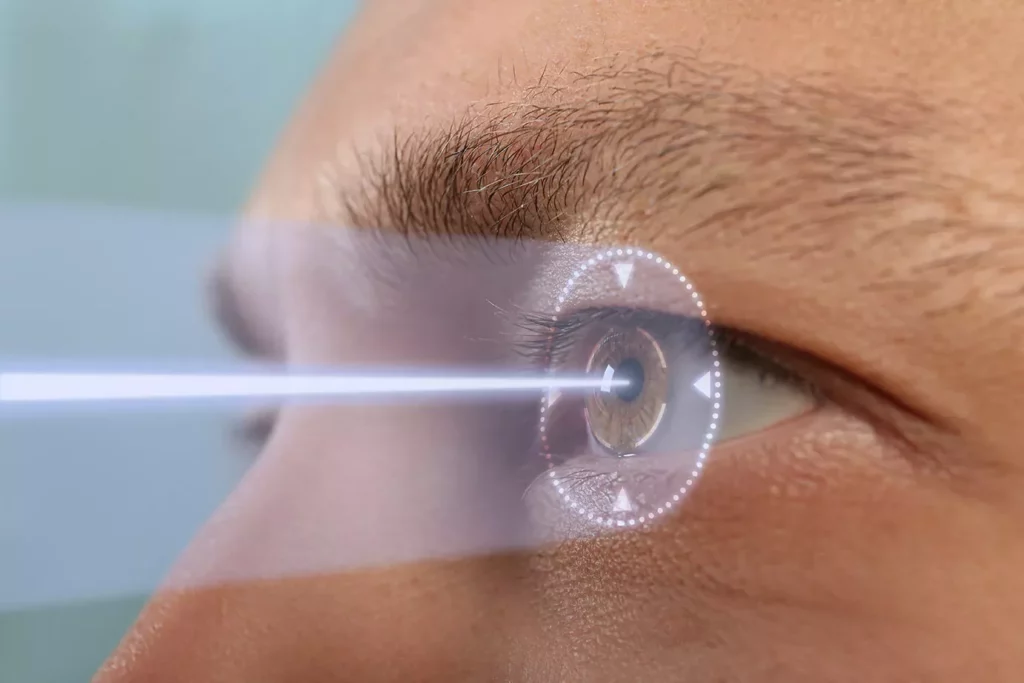
Understanding the basics of LASIK eye surgery
LASIK eye surgery has become a buzzword in the world of vision correction. It stands for Laser-Assisted In Situ Keratomileusis, which essentially means that this innovative technique uses laser technology to reshape the cornea and improve vision. If you’re tired of glasses or contact lenses, LASIK offers a promising solution that many people have embraced over the years.
What is LASIK eye surgery?
LASIK is a form of refractive surgery aimed at correcting common vision problems such as myopia (nearsightedness), hyperopia (farsightedness), and astigmatism. The procedure involves using a precise laser to alter the shape of the cornea, allowing light to focus correctly onto the retina. By doing so, it reduces or eliminates the need for corrective lenses.
Ultimately, a qualified eye specialist will help you determine whether LASIK eye surgery is the best option based on your unique situation, ensuring that you make an informed decision about your visual health.
This outpatient procedure is usually completed within a matter of minutes for each eye, making it a relatively quick and straightforward option for vision enhancement. Most people notice significant improvements in their vision almost immediately after the surgery, making it a popular choice among those seeking to enhance their quality of life.
The science behind the procedure
The science of LASIK surgery relies on advanced laser technology. During the procedure, a special device called a microkeratome or a femtosecond laser is used to create a thin flap in the cornea. Once the flap is lifted, another laser removes precise layers of corneal tissue, reshaping it to correct the individual’s specific vision issues.
It’s important to understand that LASIK is not a one-size-fits-all solution. Each patient’s eyes are assessed in detail to ensure the right laser corrections are made. This customisation often leads to better outcomes and fewer complications, which is a key reason why so many people opt for this procedure.
The benefits of choosing LASIK for vision correction
Choosing LASIK eye surgery comes with an array of benefits that many patients rave about. Although it involves an initial investment, the long-term advantages often outweigh the costs associated with glasses or contact lenses.
Improved vision quality
One of the most immediate and noticeable benefits of LASIK surgery is improved vision quality. Most patients achieve 20/25 vision or better, allowing them to participate in daily activities without the hindrance of corrective lenses. This enhanced visual acuity can significantly boost one’s confidence and overall lifestyle.
Many individuals report the freeing sensation of being able to wake up and see the world around them without fumbling for glasses or inserting contact lenses. For athletes and active individuals, this can be particularly liberating.
Quick recovery time
Another attractive aspect of LASIK surgery is the quick recovery period. Most patients can return to their daily activities within a day or two, experiencing minimal discomfort. The majority of individuals notice clarity in their vision almost immediately after surgery, which is a fantastic perk for those with busy lifestyles. Raed more about discomfort on https://pubmed.ncbi.nlm.nih.gov/31307870/
Post-operative care is relatively simple, with many people returning to work or social activities very soon. Unlike traditional surgical procedures, LASIK does not typically require long hospital stays or prolonged recovery times.
Long-term cost benefits
While the initial costs of LASIK can seem high, many patients find that the long-term financial benefits make it a worthy investment. Consider the expenses associated with prescription glasses, contact lenses, and regular eye exams. Over time, the cumulative costs can be substantial.
By opting for LASIK, many patients find that they save money in the long run, as they no longer need to purchase corrective lenses or worry about the associated expenses. Moreover, the peace of mind that comes from not needing to rely on glasses or contacts is invaluable for many.
The LASIK procedure: A step-by-step guide
Understanding what to expect from the LASIK procedure can alleviate anxiety for many patients. Here’s a simple breakdown of the process, ensuring you’re well-informed from pre-surgery to post-surgery care.
Pre-surgery preparations
Before the surgery, your ophthalmologist will conduct a comprehensive eye examination, assessing your vision and overall eye health. During this assessment, measurements will be taken to tailor the procedure to your unique eye characteristics.
Additionally, you’ll receive pre-operative instructions, which may include avoiding contact lenses for a few weeks and not using certain eye makeup or lotions on the day of the procedure. Being well-prepared can help ensure the best possible outcome.
What happens during the surgery?
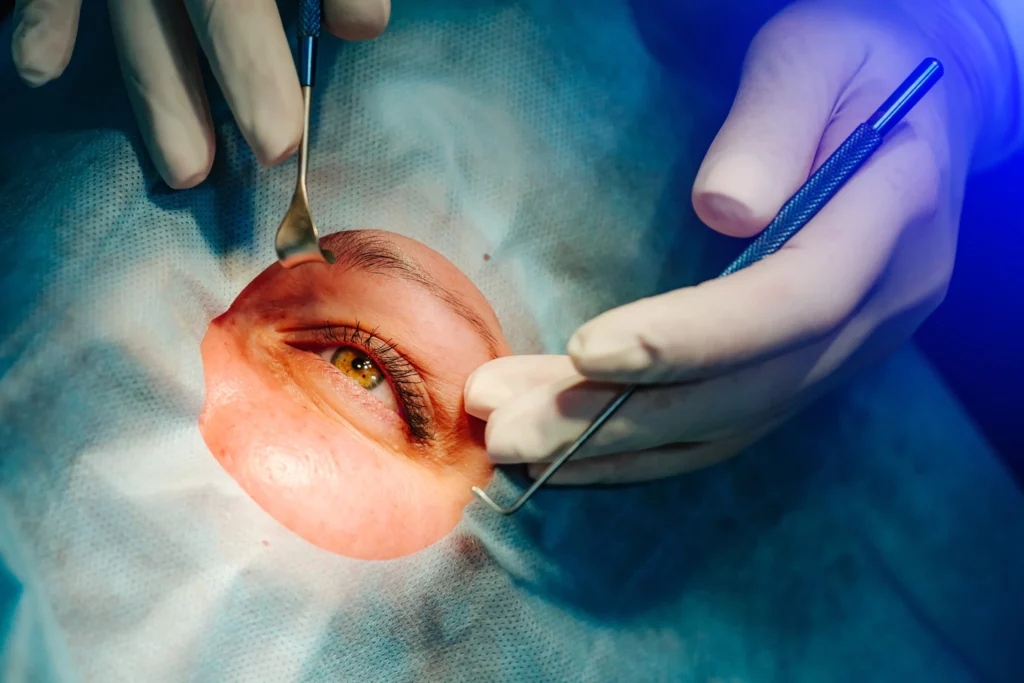
The LASIK surgery itself typically takes less than 30 minutes for both eyes. After anaesthetic drops are administered, you’ll lie down in a reclining chair while the surgeon applies the laser to your eye. Most patients may experience some pressure, but it is generally painless.
Once the procedure is complete, the flap is gently replaced, and you’ll be asked to rest for a few minutes before being evaluated. Many patients feel as though the procedure is over before they even know it, contributing to its popularity.
Post-surgery care and recovery
After the surgery, your ophthalmologist will provide you with specific aftercare instructions to ensure a smooth recovery. This may include using prescribed eye drops, avoiding strenuous activities, and wearing protective eyewear.
Most people notice an improvement in their vision that same day, but total recovery can take several weeks. Regular follow-up appointments will typically be scheduled to monitor your progress and address any concerns.
Potential risks and complications of LASIK
Like any surgical procedure, LASIK is not without risks. While the majority of individuals achieve excellent results, it’s essential to be aware of potential complications.
Short-term side effects
Some of the short-term side effects you may experience include dry eyes, glare, halos around lights, and temporary visual disturbances. Most of these symptoms are mild and tend to resolve on their own within a few days to weeks post-surgery.
In some cases, over-the-counter lubricating eye drops can help alleviate these symptoms, ensuring a more comfortable recovery period.
Long-term risks
Long-term risks may include potential vision regression, which means that some individuals may experience a return to their original prescription over time. However, this is generally rare and often manageable with further corrective measures. Click here to find more about risks.
It’s crucial to have realistic expectations and communicate any concerns with your ophthalmologist to better understand the risks associated with the surgery.
Determining if you’re a suitable candidate for LASIK
So, how do you know if LASIK is the right choice for you? Evaluating your candidacy involves several factors that your eye care professional will assess during your consultation.

Age and health considerations
Age is a key factor in determining LASIK eligibility. Most practitioners prefer candidates to be at least 18 years old, as vision can continue to change in the teenage years. Furthermore, your overall health and any pre-existing conditions can impact your suitability for the procedure.
Conditions such as autoimmune diseases, pregnancy, or certain types of medications may disqualify you from being a candidate for LASIK, as they can affect healing and recovery.
Assessing your eye condition
Before proceeding with LASIK, a thorough evaluation of your eye condition is essential. This includes checking the thickness of your cornea, the stability of your vision prescription, and any existing eye conditions like cataracts or glaucoma.
Other resources: How LASIK Eye Surgery Can Improve Your Quality of Life