
Introduction
When it comes to oxygen therapy, portable oxygen concentrators have become essential for individuals who need continuous oxygen support but also want to maintain their mobility. There are two main types of portable oxygen concentrators: mini and standard models. Both serve the same purpose—providing portable oxygen—but they differ in size, features, and performance. If you’re considering a portable oxygen concentrator for sale in Australia, understanding the differences between mini and standard models is crucial in choosing the right one for your lifestyle and medical needs. In this article, we’ll dive into the differences, benefits, and things to consider when choosing between a mini portable oxygen concentrator and a standard portable oxygen machine.
What is a Portable Oxygen Concentrator?
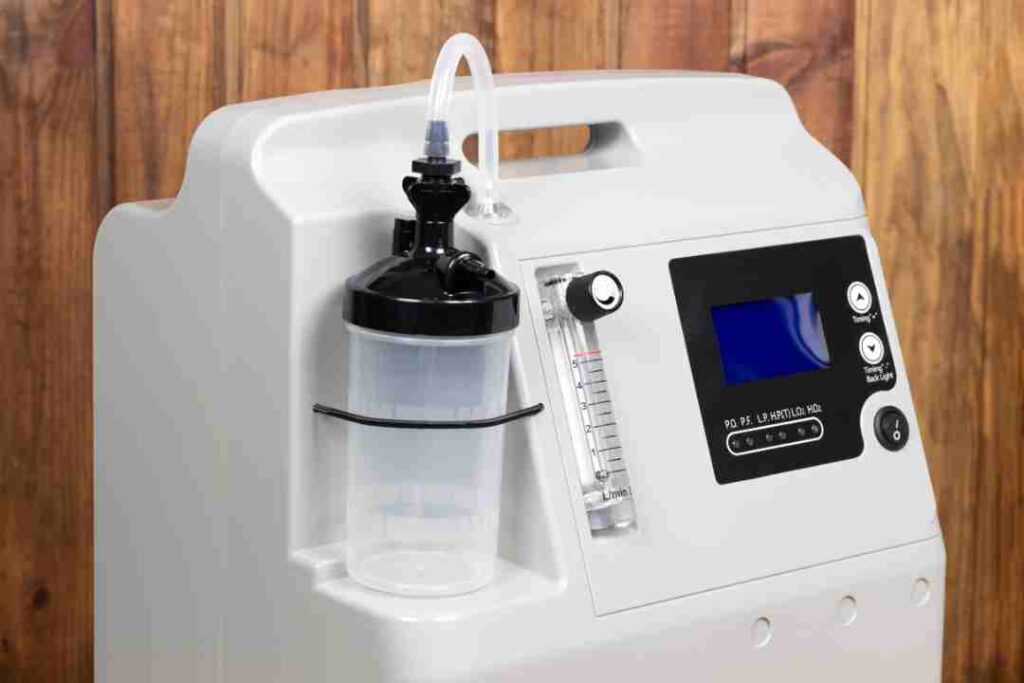
Before we dive into the differences between mini and standard models, let’s first clarify what a portable oxygen concentrator (POC) is. A portable oxygen concentrator is a medical device that extracts oxygen from the surrounding air and delivers it in concentrated form to patients who require additional oxygen for breathing. Unlike oxygen tanks, which need to be refilled, a portable oxygen concentrator is refillable with air, making it more convenient for long-term use.
Mini Portable Oxygen Concentrators: Compact and Convenient
Mini portable oxygen concentrators are designed to be ultra-light and compact, making them ideal for individuals who require oxygen therapy but lead an active lifestyle. These devices are smaller than their standard counterparts, often weighing under 2 kg and featuring smaller battery capacities.
Key Features of Mini Portable Oxygen Concentrators:
- Lightweight Design: Weighing between 1.5 kg to 2 kg, they are ideal for on-the-go use.
- Portable: Easy to carry, making them perfect for travel, errands, or short trips.
- Low Flow Rate: Suitable for people with mild oxygen needs, offering pulse dose oxygen delivery.
- Compact Size: Small enough to fit into a backpack or carry bag.
- Quiet Operation: Many mini models are designed to operate quietly, ensuring comfort while in use.
Best for:
- Individuals who need low-flow oxygen or intermittent oxygen therapy.
- Those who are frequently traveling or out and about and need something light and easy to transport.
- People with mild to moderate oxygen requirements who don’t need high oxygen output.
Popular Mini Portable Oxygen Concentrators in Australia:
- Inogen One G3: Known for its small size and excellent portability, the Inogen One G3 is one of the leading mini portable oxygen concentrators on the market.
- Zen-O Lite: A lightweight and efficient option, ideal for travel and short-term use.
Standard Portable Oxygen Concentrators: More Power and Flexibility
On the other hand, standard portable oxygen concentrators offer more robust features. These devices are slightly larger, heavier, and provide higher oxygen flow rates, making them suitable for patients with more severe respiratory conditions. They are ideal for people who need continuous oxygen for longer periods.
Key Features of Standard Portable Oxygen Concentrators:
- Higher Oxygen Flow Rate: Capable of delivering continuous flow oxygen, ideal for patients with more serious respiratory conditions.
- Larger Battery Capacity: Can run for longer periods, making them more suitable for extended use.
- Pulse and Continuous Flow: Offers both pulse dose and continuous flow oxygen options for greater flexibility.
- More Features: May come with additional features like a larger screen display, advanced battery management, and the ability to adjust settings easily.
Best for:
- Individuals with more severe oxygen needs who require continuous oxygen therapy.
- Those who spend more time at home but still need mobility for various activities.
- Patients requiring higher oxygen flow (greater than 3 LPM).
Popular Standard Portable Oxygen Concentrators in Australia:
- Philips SimplyGo: Known for its reliable continuous flow oxygen delivery, the Philips SimplyGo is a versatile and powerful model.
- Inogen One G5: Offers a continuous flow of oxygen and features a small, user-friendly design for ease of use.
Mini vs Standard Portable Oxygen Concentrators: Key Differences
To help you make an informed decision, here are some of the key differences between mini portable oxygen concentrators and standard portable oxygen concentrators.
| Feature | Mini Portable Oxygen Concentrator | Standard Portable Oxygen Concentrator |
| Weight | 1.5 – 2 kg | 2.5 – 5 kg |
| Oxygen Flow Rate | Lower (up to 3 LPM) | Higher (up to 5 LPM or more) |
| Battery Life | 3 – 10 hours | 4 – 10 hours |
| Oxygen Delivery | Pulse Dose | Continuous Flow or Pulse Dose |
| Size | Smaller and more compact | Larger with additional features |
| Portability | Best for short trips and light use | Suitable for longer durations |
| Price | More affordable | More expensive due to higher output |
Which One Should You Choose?
Choosing between a mini portable oxygen concentrator and a standard portable oxygen concentrator largely depends on your oxygen needs, lifestyle, and budget.
- Choose a Mini Portable Oxygen Concentrator if:
- You need oxygen therapy for intermittent use.
- You prefer a lighter, more portable device for travel.
- You have mild to moderate oxygen needs and don’t require continuous flow oxygen.
- Choose a Standard Portable Oxygen Concentrator if:
- You need continuous flow oxygen therapy due to a more severe respiratory condition.
- You require longer battery life and higher oxygen output.
- You don’t mind the extra size and weight in exchange for more flexibility in your oxygen delivery.
Conclusion Both mini and standard portable oxygen concentrators have their advantages. While mini models offer portability and convenience, standard models provide more oxygen output and flexibility for individuals with higher oxygen demands. Whether you choose a Zen-O portable oxygen concentrator or a Philips SimplyGo portable oxygen concentrator, it’s essential to select a device that meets your medical needs, lifestyle, and preferences. Consult with your healthcare provider to make an informed decision that will support your long-term health and well-being.
FAQs
Mini portable oxygen concentrators are smaller, lighter, and suitable for people with mild oxygen needs, while standard concentrators offer higher oxygen flow and continuous therapy, ideal for those with severe respiratory conditions.
Mini portable oxygen concentrators are the best option for travel, offering a lightweight design and easy portability, making them ideal for short trips and daily activities.
The price of portable oxygen concentrators in Australia can range from AUD 2,000 to AUD 6,000, depending on the brand, features, and oxygen output.
Most mini portable oxygen concentrators only provide pulse dose oxygen, but some models may offer low-flow continuous oxygen delivery. However, standard concentrators are generally preferred for continuous flow needs.
You can buy or rent portable oxygen concentrators from specialized medical supply stores, online retailers, or companies like Oxygen Australia and Air Liquide Healthcare. Always consult with your doctor before purchasing.