
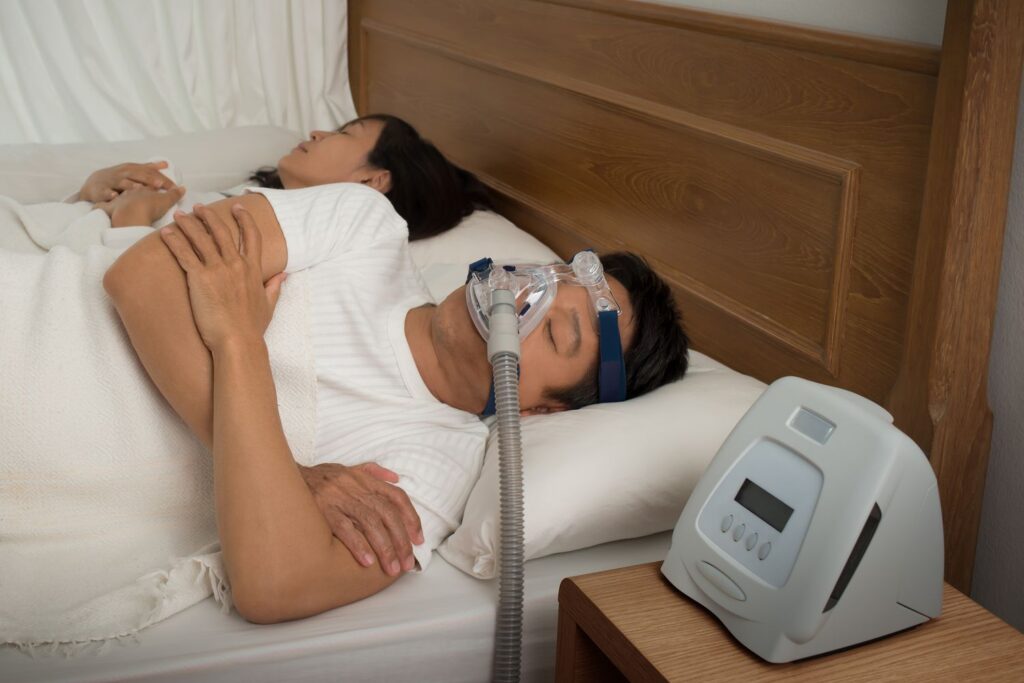
Sleep apnea is a common yet serious sleep disorder that disrupts breathing during sleep. While medical interventions like CPAP therapy are highly effective, lifestyle changes and natural strategies can also help reduce symptoms and improve overall sleep quality.
In this article, we explore practical, evidence-based approaches to managing sleep apnea naturally, how they work, and tips for creating a healthier sleep routine.
Understanding Sleep Apnea and Its Impact
Sleep apnea occurs when your airway is partially or completely blocked during sleep. These interruptions can lead to:
- Loud snoring
- Gasping or choking at night
- Daytime fatigue and lack of focus
- Morning headaches
- Increased risk of heart disease, high blood pressure, and diabetes
There are three main types: obstructive (OSA), central (CSA), and complex sleep apnea. Understanding the type you have is essential for tailoring lifestyle strategies.
Lifestyle Changes That Can Help Reduce Symptoms
Making targeted lifestyle changes can significantly reduce sleep apnea severity, especially in mild to moderate cases.
1. Maintain a Healthy Weight
Excess body weight is a major contributor to sleep apnea because fat deposits around the neck can narrow the airway. Losing even a few kilograms may reduce apnea episodes and improve breathing during sleep.
2. Sleep Position Matters
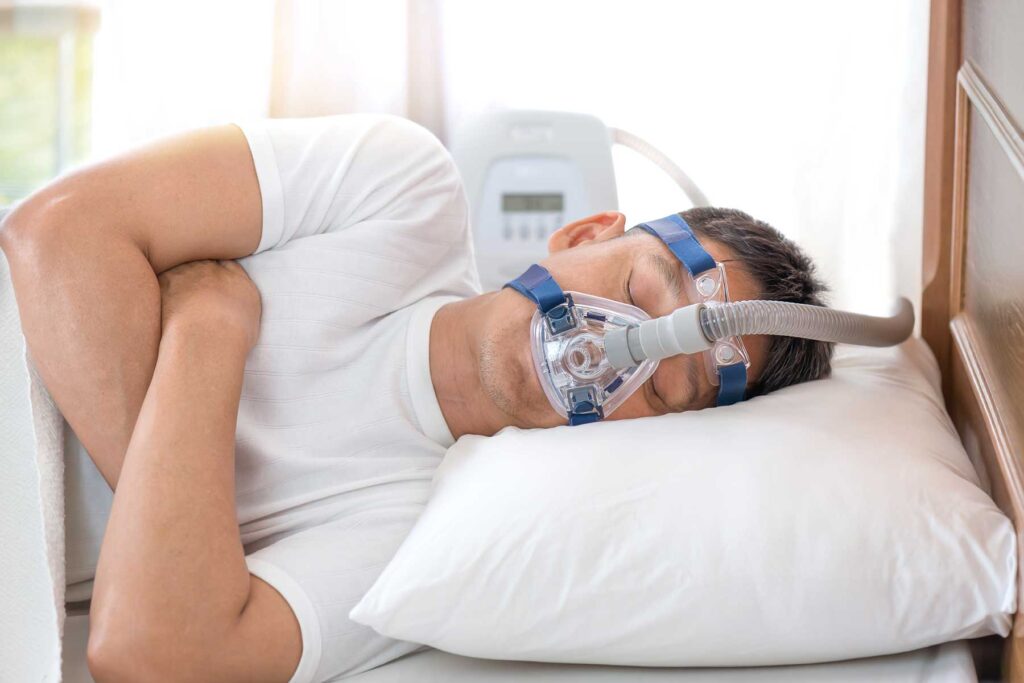
Sleeping on your back can worsen airway obstruction. Try sleeping on your side using pillows for support or positional therapy devices designed to keep you off your back.
3. Limit Alcohol and Sedatives
Alcohol and sedatives relax throat muscles, increasing the risk of airway collapse. Avoid these substances in the hours before bedtime to reduce apnea events.
4. Quit Smoking
Smoking irritates and inflames the airway, worsening sleep apnea symptoms. Quitting smoking can improve overall respiratory health and sleep quality.
5. Regular Exercise
Engaging in moderate-intensity exercise strengthens muscles, including those supporting the airway. Even a 30-minute walk daily can improve oxygen levels and sleep quality.
Dietary Adjustments to Support Healthy Sleep
Certain dietary habits may influence sleep apnea severity:
- Avoid heavy meals before bedtime: Large meals can increase pressure on the diaphragm and worsen apnea.
- Reduce processed foods: High-salt and high-sugar diets can contribute to inflammation and fluid retention, worsening symptoms.
- Incorporate anti-inflammatory foods: Fruits, vegetables, lean proteins, and omega-3 fatty acids support airway health.
- Stay hydrated: Proper hydration prevents the throat from drying out, reducing irritation and snoring.
Natural Remedies and Therapies
Several natural remedies can complement lifestyle changes:
1. Nasal Dilators or Strips
Nasal strips or internal nasal dilators can help keep nasal passages open, improving airflow and reducing snoring.
2. Oral and Jaw Exercises
Targeted exercises, also called myofunctional therapy, strengthen tongue and throat muscles, reducing airway collapse during sleep.
3. Humidifiers
Using a humidifier in the bedroom can prevent dryness in the throat and nasal passages, reducing irritation and improving breathing comfort.
4. Mindfulness and Stress Reduction
High stress levels can worsen sleep quality. Practices like meditation, deep breathing exercises, and yoga help relax the body and support healthier breathing patterns at night.
Combining Natural Methods With Medical Treatments
While natural strategies are effective for mild cases, moderate to severe sleep apnea usually requires medical intervention:
- CPAP therapy: Delivers continuous air pressure to keep the airway open.
- Oral appliances: Adjust jaw positioning to prevent airway collapse.
- Surgery: Corrects anatomical blockages in severe cases.
Combining lifestyle modifications with these treatments can improve treatment adherence, reduce symptoms, and enhance overall quality of life.
Real-Life Example: Improving Sleep Naturally
Consider Mark, a 45-year-old with mild sleep apnea from Sydney. By losing 10 kg, sleeping on his side, and practicing throat exercises, he significantly reduced snoring and nighttime apnea events. His daytime fatigue decreased, and he was able to complement these improvements with a low-pressure CPAP device for optimal results.
Tips for Creating a Sleep-Friendly Environment
Enhancing your bedroom environment supports natural symptom reduction:
- Keep the room dark and cool
- Avoid electronic devices before bedtime
- Use supportive pillows to maintain a side-sleeping position
- Maintain a consistent sleep schedule
These small changes, combined with healthy habits, can make a measurable difference in sleep quality.
Conclusion
While medical treatments like CPAP remain crucial for many people with sleep apnea, natural strategies can significantly reduce symptoms and improve rest. Weight management, sleeping on your side, avoiding alcohol and smoking, exercising regularly, and practicing relaxation techniques all contribute to healthier sleep.
Consult a sleep specialist for a proper diagnosis and personalized treatment plan. Combining natural methods with medical therapies provides the best outcomes for improving sleep quality and overall health.
FAQS
For mild sleep apnea, lifestyle changes like weight loss, sleeping on your side, and avoiding alcohol can significantly reduce symptoms. Moderate to severe cases often require CPAP or oral appliances alongside natural strategies for optimal results.
Yes. Myofunctional therapy strengthens tongue and throat muscles, helping prevent airway collapse during sleep. Regular exercises can reduce snoring and apnea events when combined with other treatments.
Side-sleeping prevents the tongue and soft tissues from collapsing into the airway, reducing obstruction. Using pillows or positional devices can make it easier to maintain this sleep position throughout the night.
Yes. Reducing processed foods, excess salt, and heavy meals before bedtime can decrease inflammation and fluid retention, improving airway function. Hydration and nutrient-rich foods support overall sleep health.