
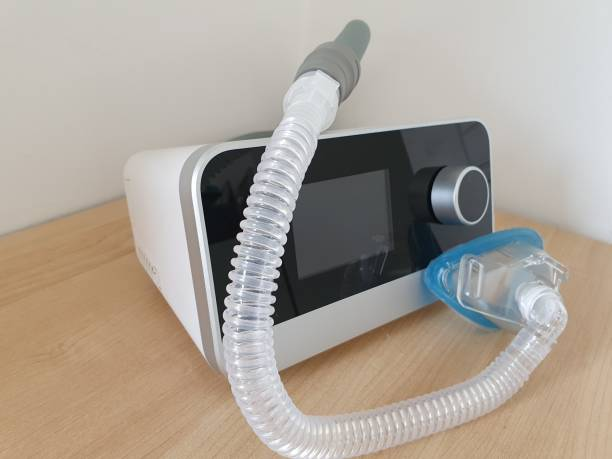
The Ultimate Guide to Choosing an Oxygen Concentrator in Australia
For Australians living with chronic respiratory conditions like COPD, emphysema, or pulmonary fibrosis, maintaining independence is a top priority. An oxygen concentrator is a life-changing medical device that ensures you receive a steady flow of oxygen without the logistical nightmare of refilling heavy tanks.
Whether you are looking for a stationary unit for home use or searching for a portable oxygen concentrator for sale in Australia to maintain an active lifestyle in Sydney, understanding the technology is the first step toward better health outcomes. This guide provides an expert deep dive into how these devices work, how to choose the right model, and the regulatory standards required for Australian users.
What is an Oxygen Concentrator?
An oxygen concentrator is an electrically operated medical device that pulls in ambient air, filters out nitrogen, and delivers concentrated oxygen to the user. Unlike traditional oxygen cylinders, which contain a fixed amount of pressurized gas, a concentrator never “runs out” as long as it has a power source.
How the Technology Works: Pressure Swing Adsorption (PSA)
The core of an oxygen concentrator is the Pressure Swing Adsorption (PSA) process. Ambient air typically consists of approximately 21% oxygen and 78% nitrogen. The device follows these steps:
- Air Intake: A compressor draws in room air through a series of filters.
- Compression: The air is pressurized and moved into a molecular sieve bed.
- Nitrogen Adsorption: The sieve, containing zeolite crystals, traps nitrogen molecules while allowing oxygen to pass through.
- Delivery: The purified oxygen (usually 90% to 95% purity) is delivered via a nasal cannula or mask.
- Purge: The trapped nitrogen is released back into the atmosphere, and the cycle repeats.
Stationary vs. Portable Oxygen Concentrators
When browsing for an oxygen concentrator, you will encounter two primary categories. The right choice depends on your prescribed flow rate and your lifestyle needs.
1. Stationary (Home) Concentrators
These are robust units designed for 24/7 use. They are generally larger, run on AC power, and can provide high flow rates (up to 10 Liters Per Minute or LPM).
2. Portable Oxygen Concentrators (POCs)
A portable oxygen concentrator for sale in Australia is designed for mobility. These units are battery-powered, lightweight (often under 2.5kg), and designed to be carried in a shoulder bag or backpack. They are essential for Sydney residents who enjoy walking along the harbour or traveling interstate.
| Feature | Stationary Unit | Portable Unit (POC) |
| Primary Power | Wall Outlet (AC) | Battery / Car Charger (DC) |
| Weight | 13kg – 25kg | 1.5kg – 8kg |
| Oxygen Delivery | Continuous Flow | Pulse Dose (mostly) |
| Best For | Sleeping & Home Use | Travel, Shopping, Exercise |
Benefits of Using an Oxygen Concentrator
Transitioning from tanks to a concentrator offers several clinical and lifestyle advantages:
- Continuous Supply: No need to wait for oxygen deliveries or worry about running out of gas mid-sentence.
- Safety: Concentrators do not store pressurized gas, significantly reducing the risk of explosions or leaks in the home.
- Cost-Efficiency: While the initial investment is higher, there are no ongoing refill costs.
- Travel Freedom: Most POCs are FAA-approved, meaning you can take them on domestic flights across Australia and international routes.
Real-World Use Cases: Living in Sydney with Oxygen
Managing the Sydney Climate
Sydney’s humidity and occasional bushfire smoke can trigger respiratory distress. Having a reliable home oxygen concentrator with high-quality HEPA filters ensures that the air you breathe is not only oxygen-rich but also purified from environmental irritants.
Staying Active and Social
For a resident in the Eastern Suburbs or Northern Beaches, a portable unit allows for coastal walks and visits to cafes. Modern POCs use “Pulse Dose” technology, which senses your breath and delivers oxygen only when you inhale, significantly extending battery life.
How to Choose the Right Oxygen Concentrator
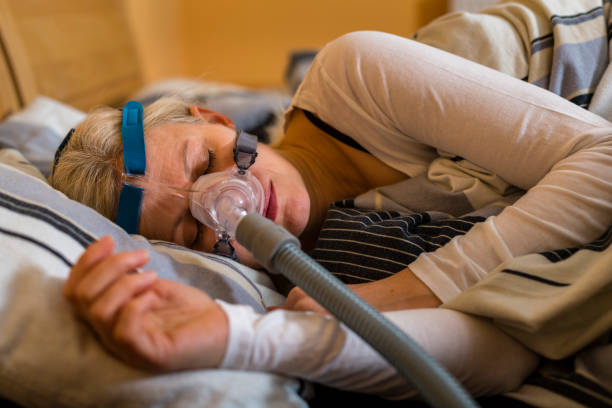
Selecting a device requires more than just looking at the price tag. You must match the machine’s specifications to your medical prescription.
Step 1: Check the Flow Rate
Your doctor will prescribe a specific flow rate (e.g., 2 LPM). Ensure the device can meet this requirement. Stationary units usually offer 1–5 or 1–10 LPM, while portable units are rated by “Settings” (1–5).
Step 2: Battery Life Requirements
If you are active, look for a portable oxygen concentrator for sale in Australia that offers extended battery options. Consider how long you are away from a power source during a typical day.
Step 3: Noise Levels
If you use the device while sleeping, noise is a factor. Most modern units operate at 40–50 decibels—roughly the sound of a quiet refrigerator.
Best Practices for Maintenance and Longevity
To ensure your oxygen concentrator remains efficient and provides medical-grade oxygen, follow these maintenance protocols:
- Clean the Particle Filter: Wash the external cabinet filter weekly with warm soapy water and air-dry it completely.
- Cannula Replacement: Replace your nasal cannula every 2–4 weeks to prevent bacteria buildup and ensure optimal flow.
- Avoid Obstructions: Never place your concentrator against curtains or in a closet. It needs at least 15–30cm of space for proper air intake and cooling.
- Battery Care: For portable units, avoid exposing the lithium-ion batteries to the extreme heat of a parked car in the Australian summer.
Common Mistakes to Avoid
- Buying Without a Prescription: Oxygen is a drug. Using too much or too little can be dangerous. Always consult a specialist before purchasing.
- Ignoring the “Alarms”: Modern units have sensors for low oxygen purity or power failure. Never ignore an audible beep.
- Using Extension Cords: Stationary concentrators draw significant power. Plug them directly into a wall outlet to prevent overheating or voltage drops.
- Smoking Near the Device: While oxygen isn’t flammable, it is an accelerant. Maintain a distance of at least 3 meters from open flames or cigarettes.
Frequently Asked Questions (FAQ)
What is the difference between pulse dose and continuous flow?
Pulse dose delivers oxygen only when the machine detects you are inhaling, making it ideal for portable use. Continuous flow provides a steady stream of oxygen regardless of your breathing pattern, which is usually required during sleep.
Can I use a portable oxygen concentrator on a plane in Australia?
Yes, most major Australian airlines (Qantas, Virgin, Jetstar) allow FAA-approved POCs. You must notify the airline in advance and usually carry enough battery life for 150% of your flight duration.
Does the government provide subsidies for oxygen concentrators?
In Australia, the Statewide Home Oxygen Programs (SHOP) or similar state-based schemes may provide subsidized equipment for eligible pensioners or low-income earners with chronic conditions.
How long do the sieve beds last?
In a high-quality oxygen concentrator, the molecular sieve beds typically last between 12 to 24 months depending on usage and humidity levels. Many modern units will alert you when they need replacing.
Can I use a humidifier with a portable unit?
Generally, no. Humidifiers are designed for stationary units. Portable units are usually used with pulse dose delivery, which is not compatible with standard humidifier bottles.
Internal Linking & Authority References
Internal Linking Suggestions:
- Anchor Text: “Guide to CPAP machines for sleep apnea”
- Anchor Text: “Respiratory health tips for Australian seniors”
- Anchor Text: “Comparing medical grade vs. recreational oxygen”
External Authority References:
- Lung Foundation Australia: For clinical guidelines on oxygen therapy.
- Therapeutic Goods Administration (TGA): To verify the safety standards of medical devices sold in Australia.
Conclusion
Investing in a high-quality oxygen concentrator is an investment in your freedom and long-term health. From the robust stationary units designed for a restful night’s sleep to finding the perfect portable oxygen concentrator for sale in Australia for your outdoor adventures, the right technology makes the world accessible again.
Remember to prioritize TGA-approved devices and consult with your respiratory specialist to ensure the flow settings match your clinical needs. With proper maintenance and the right device, managing your oxygen therapy can be seamless and stress-free.