
Introduction: More Than Just Snoring
You might think of sleep apnea as a nighttime nuisance — loud snoring, tossing and turning, or waking up gasping for air. But beneath these seemingly harmless symptoms lies a more serious threat: its impact on your heart.
Sleep apnea is a sleep disorder where breathing repeatedly stops and starts during the night. These pauses can last from a few seconds to nearly a minute and may occur dozens or even hundreds of times. The constant drop in oxygen and repeated awakening of the body trigger stress responses that put tremendous strain on the heart.
For many, the connection between sleep apnea and heart health goes unnoticed until serious problems develop. From high blood pressure to heart attacks, the consequences can be life-changing — even life-threatening. Recognizing this link early could save not only your sleep but also your heart.
Causes of Sleep Apnea
While sleep apnea has different types, obstructive sleep apnea (OSA) is by far the most common. This happens when the airway becomes blocked during sleep, often due to relaxed throat muscles or physical obstructions. Central sleep apnea (CSA) is less common and occurs when the brain fails to send proper signals to control breathing.
1. Excess Weight
Carrying extra weight — especially around the neck — can compress the airway and make breathing more difficult during sleep. Even moderate weight gain can significantly increase the risk.
See more: How LASIK Eye Surgery Can Improve Your Quality of Life
2. Anatomy of the Airway
A naturally narrow throat, enlarged tonsils, or a large tongue can partially block airflow when lying down.
3. Age and Gender
Men are more likely to develop sleep apnea, although the risk for women rises after menopause. It’s also more common in people over 40.
4. Lifestyle Choices
- Alcohol consumption relaxes throat muscles, making airway collapse more likely.
- Smoking causes inflammation and fluid retention in the upper airway.
- Sedatives can reduce muscle tone in the airway, increasing obstruction risk.
5. Medical Conditions
Nasal congestion, thyroid disorders, heart failure, and certain neurological conditions can contribute to the onset or worsening of sleep apnea.
Symptoms of Sleep Apnea
Many people with sleep apnea remain undiagnosed because the most obvious signs occur during sleep. However, the symptoms — both obvious and subtle — often reveal themselves during the day.
1. Loud, Persistent Snoring
While snoring alone isn’t a diagnosis, snoring that is loud, frequent, and punctuated by pauses or choking sounds is a common red flag.
2. Pauses in Breathing
If your partner notices you stop breathing for several seconds during the night, this is one of the most telling signs of sleep apnea.
3. Morning Headaches
Low oxygen levels and disrupted sleep can lead to blood vessel changes that cause headaches in the morning.
4. Daytime Fatigue
Feeling excessively tired despite a full night’s sleep is a hallmark of poor-quality rest caused by sleep interruptions.
5. Poor Concentration and Memory Lapses
Interrupted sleep affects brain function, making it harder to focus, remember details, and make decisions.
6. Mood Changes
Irritability, anxiety, and depression are common among people struggling with untreated sleep apnea.
7. Dry Mouth or Sore Throat in the Morning
This can be the result of mouth breathing caused by airway obstruction or nasal issues.
Example scenario: Take James, a 52-year-old who dismissed his loud snoring as “just part of getting older.” Over time, he noticed he was struggling to focus at work and often woke up with chest discomfort. A sleep study revealed severe obstructive sleep apnea, and further tests showed high blood pressure — a direct result of the nightly strain on his heart.
The Heart–Sleep Apnea Connection
The relationship between sleep apnea and heart health is complex but deeply intertwined. Here’s how the nightly breathing disruptions impact your cardiovascular system:
- Repeated Oxygen Drops: Every time breathing stops, oxygen levels fall. This forces the heart to work harder to deliver oxygen-rich blood to vital organs.
- Stress Hormone Surges: The brain senses low oxygen and triggers a “fight or flight” response, releasing stress hormones that raise blood pressure.
- Increased Blood Pressure: Over time, these nightly spikes can lead to chronic hypertension — a major risk factor for heart disease.
- Irregular Heart Rhythms: Sleep apnea can cause arrhythmias, such as atrial fibrillation, which increase the risk of stroke.
- Heart Failure Risk: The strain on the heart can eventually contribute to heart muscle weakening or heart failure.
Treatment Options for Sleep Apnea
Thankfully, sleep apnea is treatable, and effective management can significantly reduce the risk to your heart. The right option depends on the severity of your condition, your preferences, and your overall health.
1. CPAP Therapy
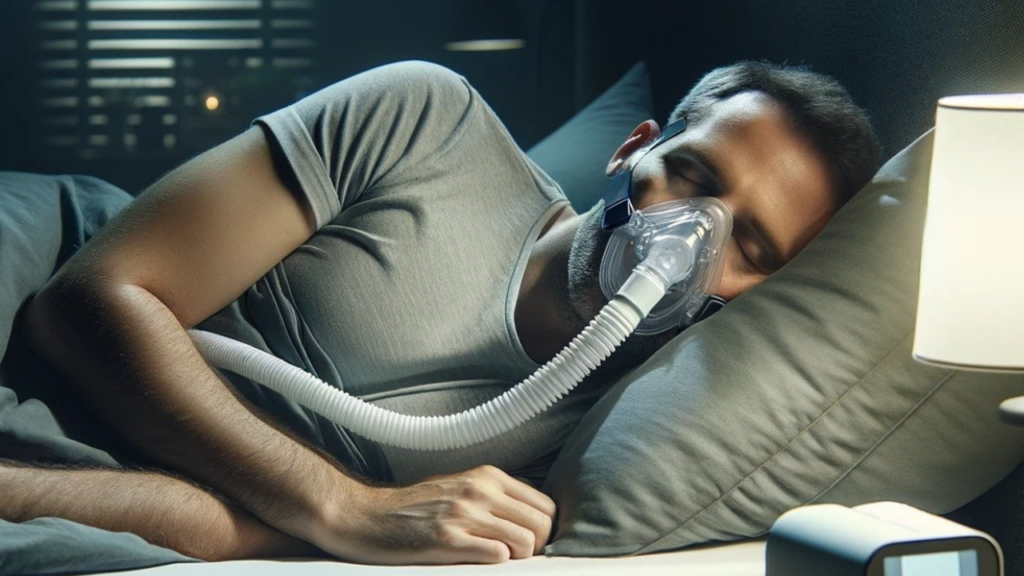
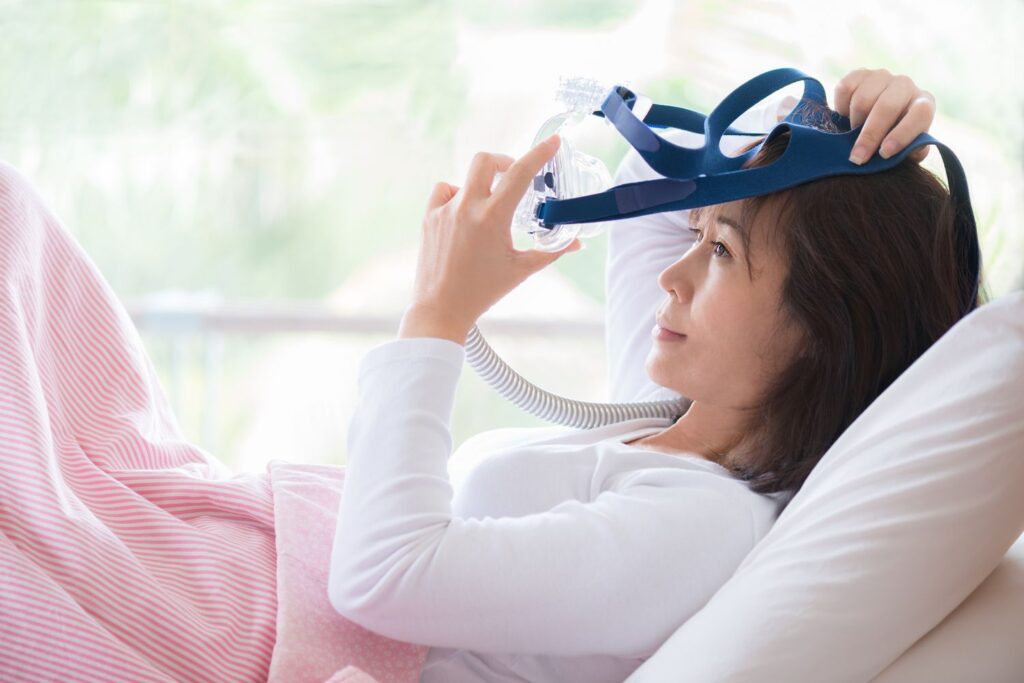
Continuous Positive Airway Pressure (CPAP) machines deliver a steady stream of air through a mask to keep the airway open during sleep.
- Pros: Highly effective in preventing breathing pauses and restoring normal oxygen levels.
- Cons: Some people find masks uncomfortable, but modern designs are more user-friendly and quieter.
Example: After starting CPAP therapy, James’s blood pressure improved, and his daytime energy returned. His cardiologist noted reduced strain on his heart within months.
2. Oral Appliances
Custom-fitted devices from a dentist can reposition the jaw or tongue to prevent airway collapse. They’re popular for mild to moderate sleep apnea or for people who can’t tolerate CPAP.
3. Surgical Options
Surgery may be considered for structural issues, such as enlarged tonsils or severe nasal obstructions. Some newer procedures involve implanting devices that stimulate airway muscles to keep them active during sleep.
4. Lifestyle Changes
- Weight loss can reduce pressure on the airway and improve breathing.
- Avoid alcohol and sedatives before bedtime to keep throat muscles firm.
- Change sleeping position — side sleeping can prevent airway collapse.
- Treat nasal congestion to allow better airflow.
5. Positional Therapy
Some people experience apnea primarily when lying on their backs. Special pillows or wearable devices can help maintain side sleeping throughout the night.
Conclusion: Protect Your Sleep, Protect Your Heart
Sleep apnea is more than a nighttime inconvenience — it’s a silent threat to your heart health. Left untreated, it can lead to high blood pressure, heart rhythm problems, heart failure, and stroke. The good news? With the right treatment, these risks can be significantly reduced.
If you or a loved one snores loudly, wakes up gasping, or feels unreasonably tired during the day, it’s worth getting checked. A simple sleep study can provide answers, and effective treatments can restore restful sleep while safeguarding your heart.
Your heart works hard for you every day. Give it the support it needs by addressing sleep apnea before it takes a toll on your health and your life.