
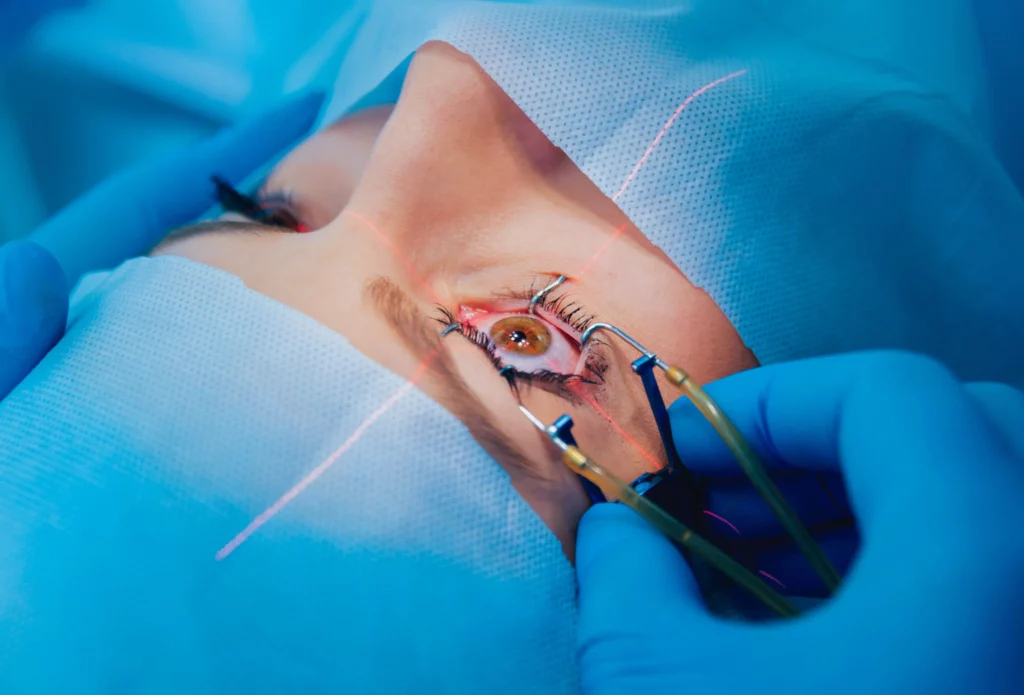
Laser eye surgery has gained popularity as the preferred method for correcting vision problems. Many people are drawn to its ability to provide rapid results and improve quality of life by eliminating the need for glasses or contact lenses. This article explores the various facets of laser eye surgery, delving into its benefits, the process involved, and common concerns that patients may have. Through understanding the nuances of vision correction methods, readers can make informed choices regarding their eye health.
Understanding Vision Correction Methods
The Basics of Vision Correction
laser eye surgery vision correction aims to enhance clarity and precision in sight, enabling individuals to perform daily tasks effectively. Traditional methods of vision correction include glasses and contact lenses, which help to compensate for various refractive errors such as myopia, hyperopia, and astigmatism. These solutions serve as temporary fixes, requiring users to regularly maintain and replace them. For many, glasses are not just a functional accessory but also a fashion statement, available in countless styles, colors, and materials that allow individuals to express their unique personalities. Contact lenses, on the other hand, offer the advantage of unobstructed peripheral vision and are often preferred by those who lead active lifestyles or participate in sports.
However, more permanent options have become increasingly available, with laser eye surgery at the forefront. Unlike glasses or contacts, surgery addresses the underlying vision problems directly, often yielding immediate and lasting results. The procedure, which typically involves reshaping the cornea using laser technology, has advanced significantly over the years, with techniques like LASIK and PRK offering quick recovery times and minimal discomfort. Many patients report a newfound freedom from the hassle of daily vision correction routines, allowing them to enjoy activities such as swimming or hiking without the worry of losing or damaging their eyewear.
Different Types of Vision Correction Methods
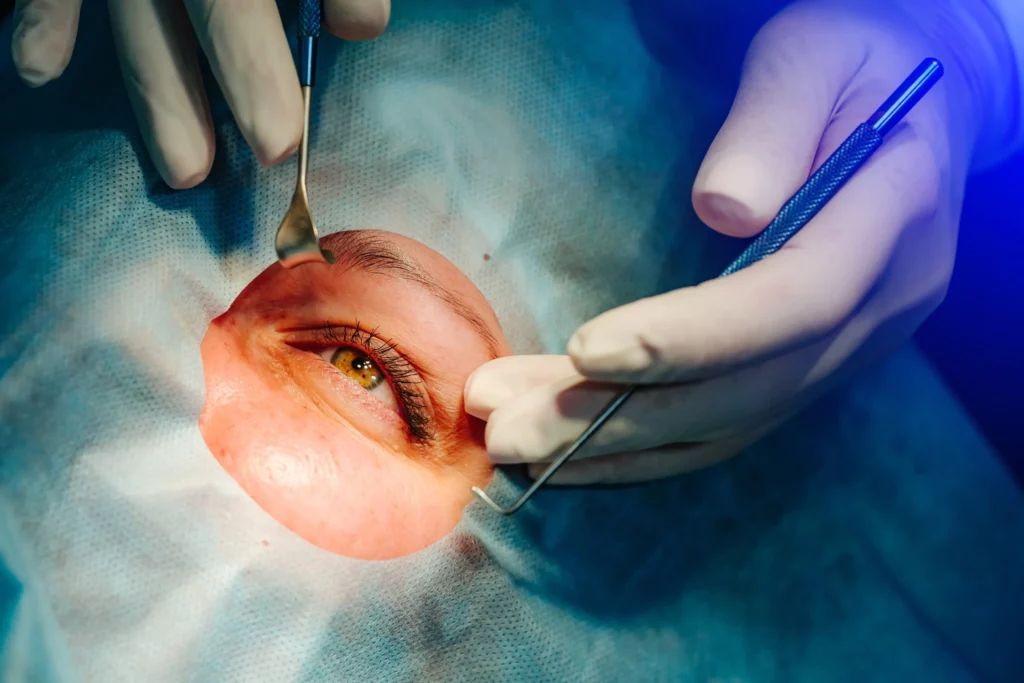
In addition to laser eye surgery, there are several other vision correction methods. Here are some common alternatives:
Glasses: The most traditional method, glasses can be customized to an individual’s prescription and are non-invasive. They can also incorporate various lens technologies, such as anti-reflective coatings and blue light filters, which enhance visual comfort and reduce eye strain from screens.
Contact Lenses: A popular alternative, contact lenses adhere directly to the eye’s surface, providing a wider field of vision. They come in various types, including daily disposables, extended wear, and toric lenses for astigmatism, catering to different lifestyles and preferences.
Orthokeratology: This involves wearing specialized lenses overnight to reshape the cornea, temporarily improving vision during the day. This method is particularly appealing to children and teenagers, as it can slow the progression of myopia while allowing them to enjoy clear vision without glasses or contacts during waking hours.
Other Surgical Options: Techniques such as implantable contact lenses (ICLs) and refractive lens exchange are alternatives for those not suitable for laser surgery. ICLs are particularly beneficial for individuals with high prescriptions or thin corneas, providing a reversible solution that can be adjusted or removed if necessary.
As technology continues to evolve, the field of vision correction is likely to see even more innovative solutions. Emerging treatments, such as gene therapy and advanced lens technologies, promise to further enhance the options available for individuals seeking to improve their vision. Additionally, ongoing research into the long-term effects of various correction methods aims to provide clearer insights into the best practices for maintaining eye health and achieving optimal visual acuity.
The Rise of Laser Eye Surgery
The Evolution of Laser Eye Surgery
Laser eye surgery has come a long way since its inception. The first procedures began in the 1980s with techniques like keratomileusis, which laid the groundwork for what would evolve into LASIK (Laser-Assisted In Situ Keratomileusis) and PRK (Photorefractive Keratectomy). Initially, these procedures were invasive and came with a higher risk of complications.
Over the years, advancements in technology and methodology have made laser eye surgery safer, faster, and more effective. Modern lasers are capable of performing highly precise corrections and minimizing discomfort during and after the procedure. The introduction of femtosecond lasers has revolutionized the way corneal flaps are created, allowing for a more controlled and predictable surgical experience. As a result, patients can expect not only improved vision outcomes but also a significantly reduced risk of post-operative complications, which has contributed to the growing popularity of these procedures. Read more about the world is changing with the recent advancments in technology at https://online.ucpress.edu/gp/article/2/1/27353/118411/How-Is-Technology-Changing-the-World-and-How
Current Trends in Laser Eye Surgery
Today, laser eye surgery is characterized by several emerging trends, including:
Customized Treatment: Surgeons can now provide tailored treatments based on individual eye characteristics, improving the accuracy and success rates significantly.
Wavefront Technology: This advanced diagnostic technique allows for a detailed map of the eye, enabling corrections that go beyond standard prescriptions.
Minimally Invasive Techniques: Procedures like SMILE (Small Incision Lenticule Extraction) require smaller incisions and promote faster recovery times.
In addition to these trends, there is a growing emphasis on patient education and informed consent. Surgeons are now taking the time to ensure that patients fully understand their options, the risks involved, and what to expect during the recovery process. This shift towards transparency is helping to build trust and confidence among prospective patients, leading to more individuals considering laser eye surgery as a viable option for vision correction. Furthermore, the integration of telemedicine consultations has made it easier for patients to access expert advice and assessment from the comfort of their homes, streamlining the initial steps of the surgical journey.
Moreover, ongoing research is exploring the potential of laser technology in treating a wider range of vision issues, including presbyopia and astigmatism. Innovations such as presbyopia-correcting laser treatments are on the horizon, promising to address age-related vision changes that affect millions. As the field continues to evolve, the future of laser eye surgery looks promising, with new techniques and technologies poised to enhance patient outcomes and satisfaction even further.
The Benefits of Laser Eye Surgery
Effectiveness and Efficiency of Laser Eye Surgery
One of the primary reasons for the popularity of laser eye surgery is its remarkable effectiveness. Studies have shown that the vast majority of patients achieve 20/25 vision or better following the procedure. This substantial improvement allows many individuals to forgo glasses and contact lenses altogether.
Moreover, the procedure is often completed within 15 to 30 minutes, with many patients experiencing minimal downtime afterward. Unlike traditional methods, which require ongoing adjustments and replacements, laser surgery provides a one-time solution for long-term vision correction. The precision of laser technology means that the surgery can be tailored to the unique shape and condition of each patient’s cornea, ensuring optimal results. This customization not only enhances the effectiveness of the procedure but also contributes to a higher level of patient satisfaction.
The Long-Term Benefits of Laser Eye Surgery
Beyond its immediate effectiveness, laser eye surgery offers significant long-term benefits:
Cost-Effective: Although the initial investment may be higher than purchasing eyewear, the long-term savings on glasses, contacts, and eye care products are considerable.
Enhanced Lifestyle: Patients often report improved quality of life due to the freedom from dependency on vision aids, allowing for greater participation in activities and sports.
Stable Results: Once the correction is made, the effects typically remain stable for many years, providing peace of mind to patients.
Additionally, laser eye surgery can significantly reduce the risk of eye infections that are often associated with contact lens use. Many patients find that they are more active and adventurous post-surgery, as they no longer have to worry about the hassle of cleaning and maintaining their lenses or the discomfort of wearing glasses during physical activities. This newfound freedom can lead to increased participation in outdoor sports, travel, and other hobbies that may have been limited by poor vision or the need for corrective eyewear.
Furthermore, the advancements in laser technology have led to improvements in safety and recovery times. With procedures like LASIK and PRK, patients benefit from advanced imaging and laser systems that enhance precision and reduce the likelihood of complications. As a result, many clinics now offer enhanced recovery protocols, which may include pre-operative consultations and post-operative follow-ups to ensure that each patient receives comprehensive care throughout their journey. This holistic approach not only fosters trust between patients and their healthcare providers but also contributes to the overall success of the surgery.
The Process of Laser Eye Surgery
Pre-Surgery Preparations
Preparation for laser eye surgery involves several steps to ensure patient safety and procedural success. Initially, an eye examination is conducted to determine candidates’ suitability for surgery. Factors such as corneal thickness, eye health, and overall medical history are assessed.
Patients are advised to refrain from wearing contact lenses for a specific period prior to the surgery to ensure accurate measurements of their eyes. Additionally, a comprehensive discussion about expectations, risks, and the overall process is essential to alleviate any anxiety before the procedure. To learn more about things to do before surgery click here.
The Surgery Procedure
The surgery itself generally follows a straightforward process. Patients arrive at the surgical center, where they are given numbing eye drops to minimize discomfort. The surgeon will use a laser to reshape the cornea, enhancing its ability to refract light properly onto the retina.
For LASIK, a flap is created in the cornea to allow access to the underlying tissue, while PRK involves the removal of the outer layer of the cornea. The entire procedure is quick, often lasting only about 10-20 minutes per eye, with patients able to see significant improvements almost immediately.

Post-Surgery Care and Recovery
Post-operative care is crucial for successful recovery. Patients are typically advised to rest for the remainder of the day and avoid strenuous activities. Follow-up appointments within the first week allow the surgeon to monitor healing and address any concerns.
Common instructions will include using prescribed eye drops to prevent infection and maintain hydration, avoiding swimming or hot tubs, and steering clear of eye makeup until full recovery has been confirmed.
Addressing Common Concerns About Laser Eye Surgery
Debunking Myths About Laser Eye Surgery
Despite its popularity, there are several misconceptions surrounding laser eye surgery that can deter prospective patients. One common myth is that the procedure is painful. In reality, with the use of numbing drops and modern techniques, discomfort is minimal for most individuals.
Another myth is that laser eye surgery is not suitable for everyone. While certain factors might exclude some individuals, advancements continue to expand candidacy. Consulting with an experienced ophthalmologist can provide clarity and alternatives.
Addressing Safety Concerns
Safety is a significant concern for anyone considering surgical intervention. Laser eye surgery has been extensively studied and is regarded as safe when performed by qualified professionals. The risk of serious complications is low, with most people experiencing only temporary effects, such as dry eyes or glare. Additionally, ongoing advancements in technology continue to enhance the precision and safety of these procedures.
In summary, laser eye surgery stands out as a revolutionary method for vision correction, combining effectiveness, efficiency, and long-term benefits. As with any surgical procedure, thorough research and professional consultation are vital to making an informed choice tailored to individual needs.
Related : Laser Eye Surgery Sydney: What Sets It Apart from Other Treatments